Generator Noise in Apartment Buildings: What Jersey City Residents Need to Know
Liberty Harbor | Jersey City Living Guide | Summer 2026
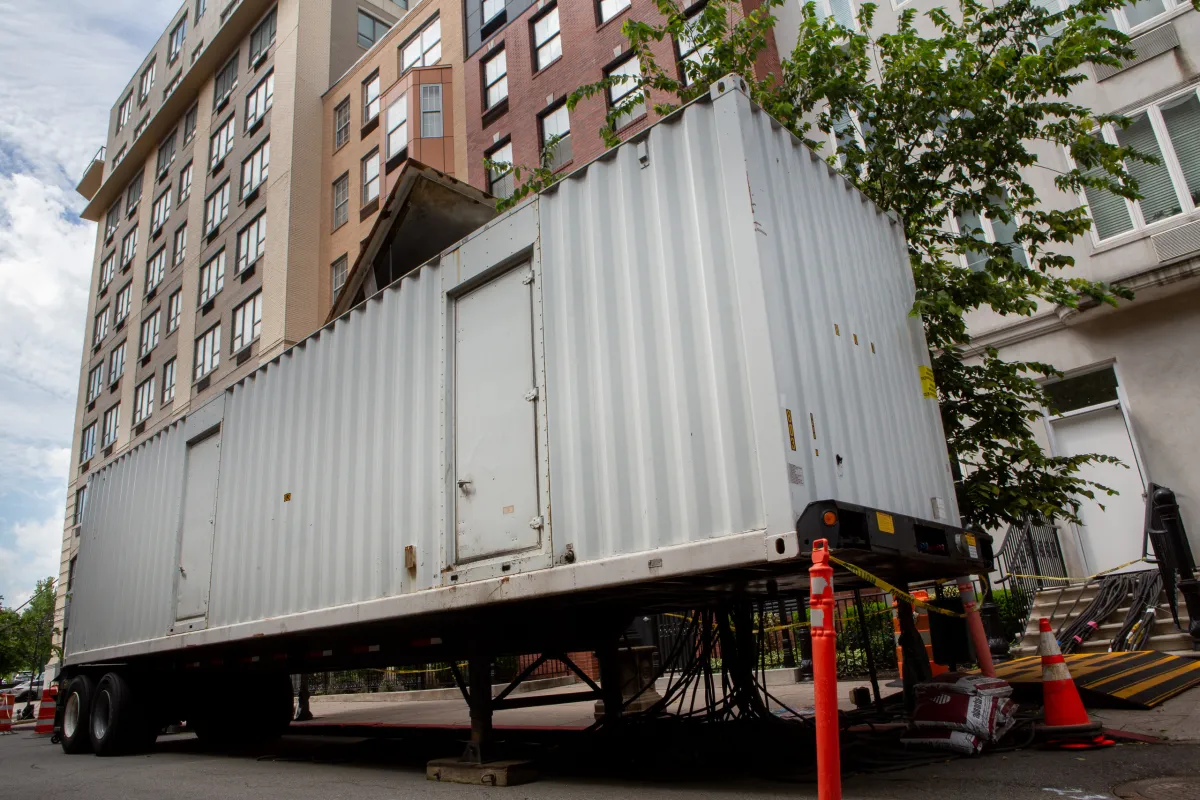
If you’ve lived near an apartment building during a power outage, you know the sound of a generator. Low, steady, industrial. Sometimes it fades into the background. Sometimes it takes over your living room.
Knowing why buildings use generators, what drives the noise, and how management handles long outages makes life easier and helps you size up any place you might rent.
Why Apartment Buildings Use Generators, and When You’ll Actually Hear One
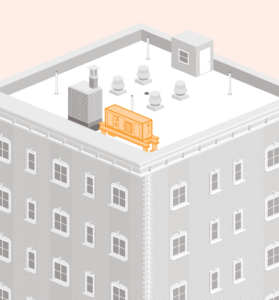
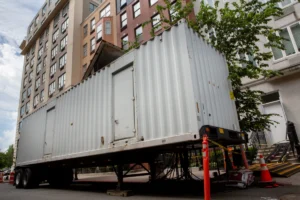
New Jersey building code requires residential high-rises to keep backup power for critical systems: emergency lighting, fire suppression, at least one elevator and essential utilities. Most buildings rely on generators to meet this standard.
Generators kick in for two reasons: grid outages from storms, utility failures or high demand, and building-specific electrical issues that force part of the power supply offline during repairs.
During a grid outage, the generator starts automatically and runs until utility power returns. In the PSE&G service area, most outages last only a few hours. Longer outages are rare, but they happen after major storms.
Building-specific issues can drag on. If a fault needs diagnosis, parts and a licensed contractor, expect days, not hours, of downtime. These are the moments that truly test building management.
How Long Does Generator Operation Last in a Residential Building?
Residents want to know how long it will take. The real answer: it depends on the cause and how fast crews can fix it.
For grid events, the PSE&G outage map publishes estimated restoration times by area. These estimates aren’t always accurate, but they give residents a reasonable starting point for planning.
For building-specific issues, timing depends on the problem and how quickly contractors and parts are available. Some fixes take hours. Major electrical work can stretch much longer.
What sets well-run buildings apart isn’t how fast they fix complex problems. It’s how clearly management communicates what’s happening and what residents should expect.
The frustration of living near a running generator is almost always amplified by uncertainty. When residents know why it’s running and when it will stop, the same sound feels different. Communication is the variable that matters most.
What Generator Noise Means for Daily Life in a Jersey City Apartment
Industrial generators run loud, think busy restaurant or heavy traffic, 65 to 85 decibels up close. Inside an apartment with closed windows, especially above ground level, you’ll hear less, but the noise doesn’t disappear.
How much it affects you comes down to how close you are, which way your unit faces and how long the generator runs.
- Sleep: The most consistent complaint from residents near an operating generator is disrupted sleep. White noise machines or brown noise apps help raise the ambient baseline and reduce the sound’s intrusive quality. Earplugs are an underrated option for short-duration events.
- Working from home: The low drone makes calls and deep work tough. A noise-canceling headset helps. If you can, try the building’s co-working or amenity spaces on the quieter side.
- Windows: Units with the generator on their side of the building will experience more noise with windows open. Keeping windows closed and using mechanical ventilation or AC, where available, meaningfully reduces indoor levels.
How to Talk to Your Building Management Team About Generator Concerns
If generator noise is affecting your daily life in a meaningful way, it’s worth raising it directly with building management rather than waiting it out. A few things that make the conversation more productive:
- Follow up in writing. An email to the management office creates a record and ensures your concern is documented in the formal log, rather than a verbal exchange that can be lost.
- Track when and how long the noise happens. Details like “running since [date], audible from my unit on [floor/orientation]” give management something real to work with and set the stage for any talk about relief.
- Ask for a repair timeline. If they can’t give you one, press for when they’ll have answers and how they’ll keep you updated.
- Find out what support is on the table. Good buildings have policies for residents dealing with major disruptions, such as alternative units, rent credits or other options. Ask what applies here.
What Liberty Harbor Does to Keep Residents Comfortable During Power Events
Liberty Harbor’s on-site team handles infrastructure issues head-on. Residents get prompt updates when disruptions happen, clear progress reports during repairs, and direct outreach if their unit or floor is significantly affected.
For longer disruptions, the team works with residents to find practical solutions and coordinates with licensed contractors to keep repairs on track. The priority is simple: restore normal service fast and keep everyone in the loop.
Liberty Harbor’s buildings also benefit from on-site staffing rather than remote property management, so when something requires a response, the person responsible is already in the building.
Generator noise comes with city living. It’s meant to be short-term, even when repairs drag on. The difference between a manageable disruption and a crisis comes down to how the building communicates, how fast it acts, and what it does for residents during the fix.
Communities that get this right, like Liberty Harbor, keep residents’ trust even through tough situations.
Explore more lifestyle tips on the Liberty Harbor blog.